


Introduction
At the foot of Mount Etna, where fire sleeps beneath snow and fertile land rises from volcanic ash, Giuseppe Cucè found his artistic voice. Born in Catania, the Italian singer-songwriter has built a body of work that lives between songwriting, poetry, and cinematic composition — a space where music is not consumed, but experienced.
Like the prickly pear plants of his homeland — thorny on the outside, generous within — Cucè’s music emerges from contrast: beauty and danger, stillness and eruption, memory and transformation. In an era driven by speed and immediacy, his work insists on something rarer: depth, patience, and emotional truth.
In this interview, Giuseppe Cucè speaks about identity, landscape, analog sound, his acclaimed album 21 grammi, and why he believes that “truth takes time.”
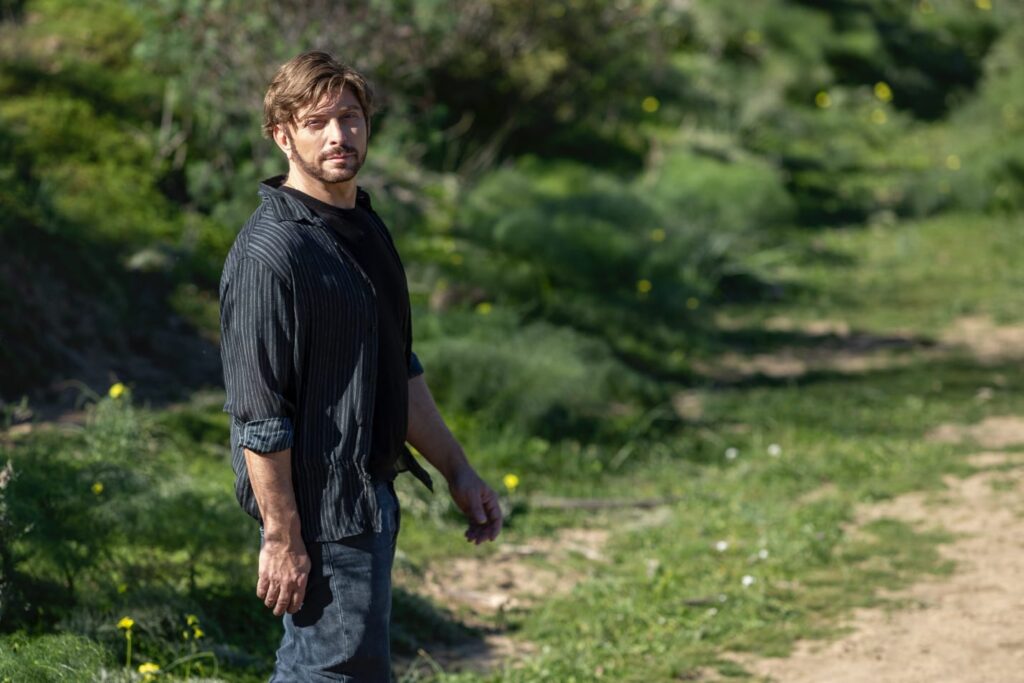
Interview with Giuseppe Cucè
Q1. Your music is deeply connected to the landscape of Sicily. How has Mount Etna and your birthplace shaped your artistic identity?
Giuseppe Cucè:
“Growing up in Catania means growing up inside contradiction. You see yellow broom flowers blooming on black lava stone, snow resting on volcanic ash, and suddenly the earth opens and fire comes out.”
He pauses, then adds:
“That tension between beauty and danger is part of me. It’s the same tension I try to put into my songs — softness that carries weight, light that comes from shadow.”
Q2. Many listeners describe your songs as cinematic and poetic rather than immediate. Is that a conscious choice?
Giuseppe Cucè:
“Yes, absolutely. I’m not interested in immediacy or trends. I don’t want my songs to be used — I want them to be inhabited.”
For Cucè, music is a space rather than a product.
“I think of albums as emotional worlds. You don’t enter them quickly. You walk through them, you sit down, you listen. That’s where meaning happens.”
Q3. Your sound is rooted in analog instruments, strings, and Mediterranean rhythms. Why is this approach important to you?
Giuseppe Cucè:
“Real instruments breathe. They carry imperfection, and imperfection carries truth.”
He explains that orchestral and analog elements allow emotion to unfold naturally.
“I want the listener to feel the physical presence of sound. Strings, rhythms, silence — they all tell a story. Digital perfection often removes that human fragility I care about.”
Q4. 21 grammi has received strong international critical attention. What does this album represent for you?
Giuseppe Cucè:
“21 grammi is a question more than an answer. It’s about what we carry inside — emotionally, spiritually — and what changes us.”
Inspired by the symbolic weight of the soul, the album invites slow listening.
“It rewards patience. If you give it time, it gives something back. That exchange is very important to me.”
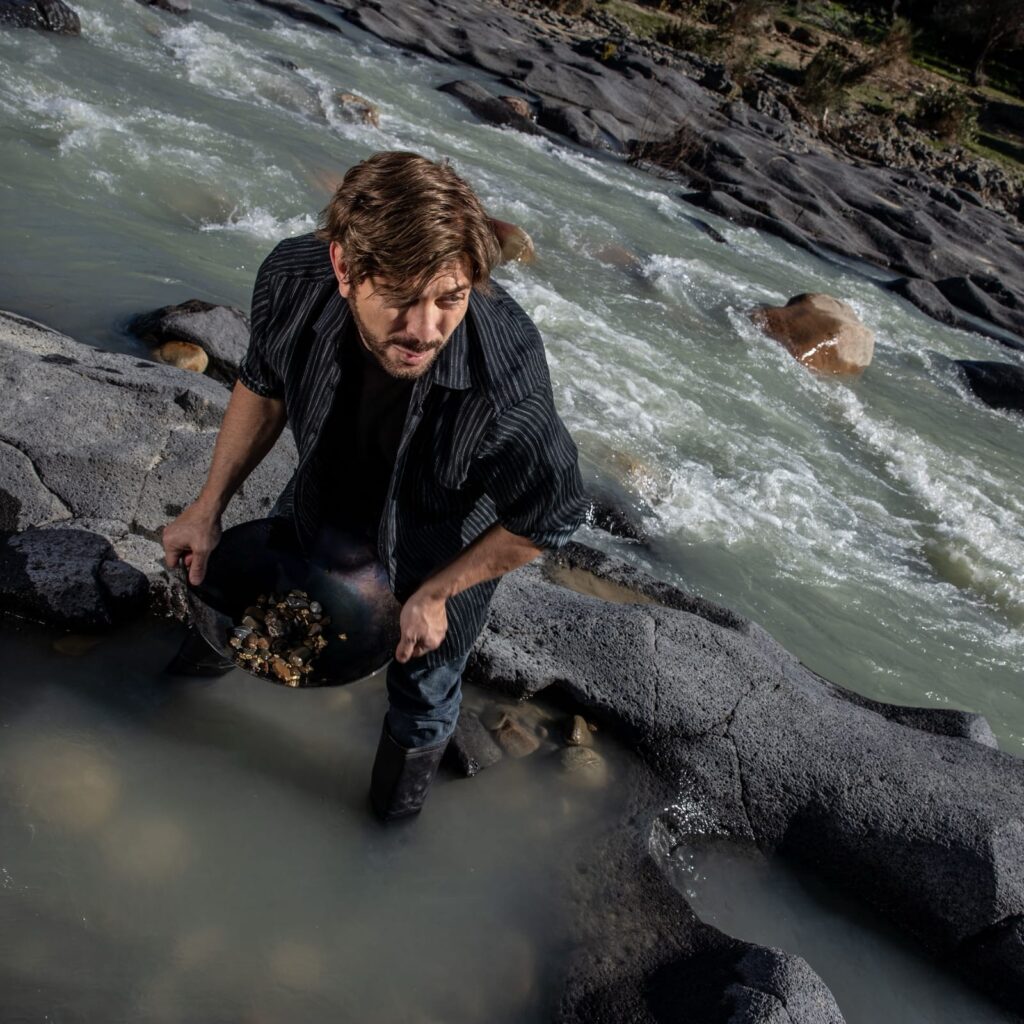
Q5. Critics often highlight themes of identity, memory, and transformation in your work. Where do these themes come from?
Giuseppe Cucè:
“They come from living between staying and leaving, habit and courage.”
He reflects on the emotional weight of choice.
“I think we’re always crossing invisible borders — between who we were and who we’re becoming. My songs live on that threshold.”
Q6. Your live performances are described as intense even in minimal settings. How do you approach the stage?
Giuseppe Cucè:
“I choose spaces that respect listening. The theater, cultural venues, intimate rooms.”
For Cucè, performance is about connection, not spectacle.
“If the audience feels safe enough to listen deeply, something real happens — even with very little.”
Q7. What are you focusing on right now in this phase of your career?
Giuseppe Cucè:
“I’m presenting 21 grammi through live performances and radio showcases, but I’m also working quietly on what comes next.”
He emphasizes patience again.
“I’m not accelerating. I want the next work to mature naturally. Artistic identity needs time to consolidate.”
Q8. Looking ahead, what are your future goals as an artist?
Giuseppe Cucè:
“My goals are grounded in meaning rather than visibility.”
He envisions albums as complete narratives and seeks collaborations rooted in craftsmanship.
“I want to bring my music to places that treat it as experience, not content. Music should be a space for reflection.”
Closing Thoughts
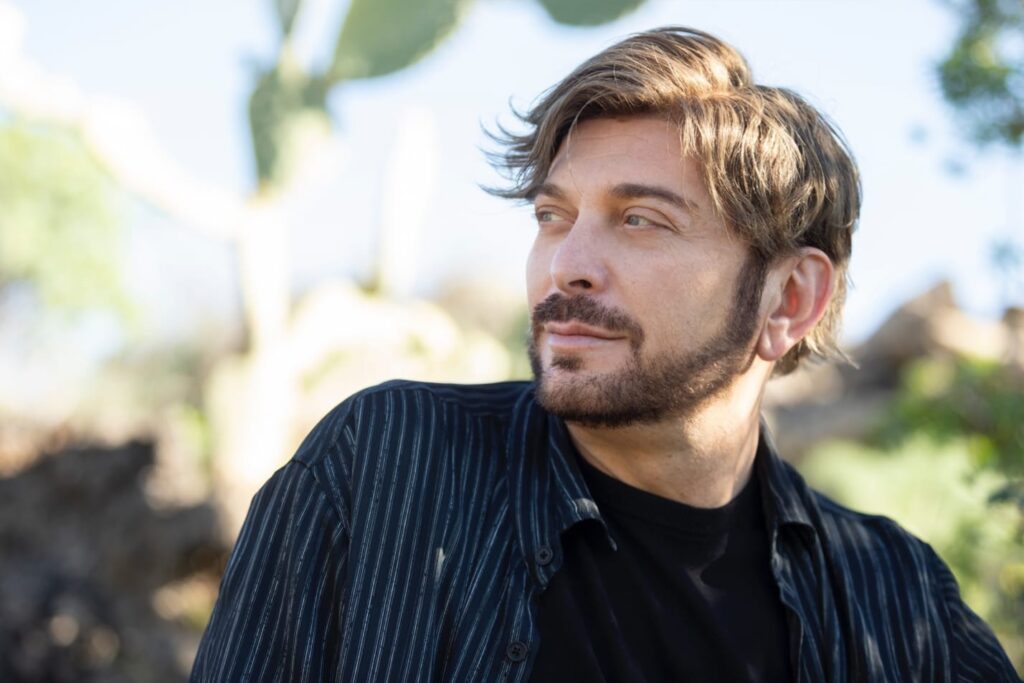
Giuseppe Cucè’s artistic path stands apart in a fast-moving industry. His work resists distraction and invites presence. Rooted in the volcanic soil of Sicily and shaped by philosophical depth, his music reminds us that some truths cannot be rushed.
As he simply puts it:
“Truth takes time.”
And in listening to Giuseppe Cucè, time feels not like a cost — but a gift.
Credits
Photo: Luca Guarneri
Make-up: Chiara Samperi
Photo Locations:
- Ponte dei Saraceni – Adrano (CT)
- Cortile dei Fiori – Catania






Bonos777vn
Bonos777VN hooked me up with some sweet bonuses! A little extra never hurts, right? Try it here bonos777vn.
Megaperya
megaperya https://www.bemegaperya.org